IAF Chief Urges Development of Drone Ecosystem in India
IAF Chief Air Marshal Amar Preet Singh champions a self-reliant drone ecosystem, calling for innovative partnerships at the Bharat Drone & Robotics Manthan 3.0 conference.
 YT News
0 comments

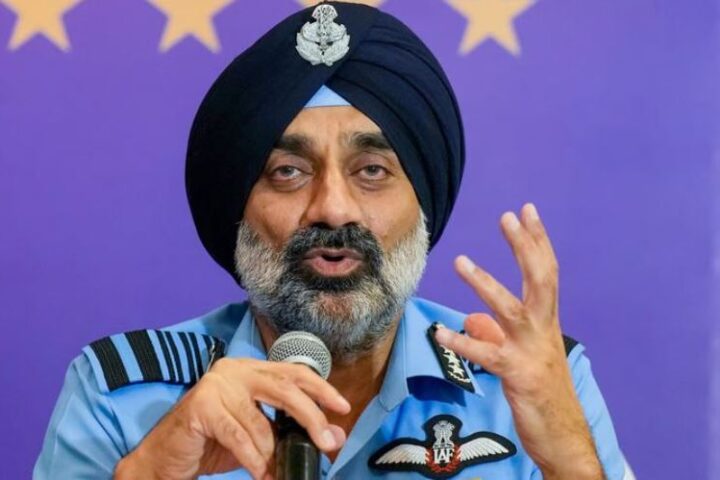
The Indian Air Force (IAF) Chief, Air Chief Marshal Amar Preet Singh, called for a decisive shift towards true self-reliance in India’s drone ecosystem during the keynote at the Bharat Drone & Robotics Manthan 3.0 conference this week. He urged domestic innovators to collaborate closely with the IAF to meet rapidly evolving military demands.
Singh addressed an audience of industry leaders and startups, outlining a clear vision that emphasizes the need for the IAF to outpace the swiftly changing landscape of unmanned systems, which increasingly shape modern combat scenarios. “The responsibility of outlining precise operational requirements lies squarely with the user,” he asserted, highlighting the newly formed Directorate of Aerospace Design (DAD) that aims to facilitate direct engagement with industry players.
“The problem statement has to originate from us. We have the Directorate of Aerospace Design to interact with startups and innovators who can inform us of the latest in drone technology, equipment, or sensor requirements,” he stated, showcasing the IAF’s commitment to building a more robust domestic drone sector.
In a significant announcement, the IAF introduced Dronathon 2026, scheduled for September, soliciting companies to demonstrate their products live. This initiative will shift the focus from traditional, paper-based evaluations to real-time assessments of drone capabilities, which could expedite the acquisition process.
Highlighting the vulnerabilities presented by foreign supply chains, Singh made an emphatic statement: “Every brick should be developed in India. Then only can we claim to be fully Atmanirbhar,” reinforcing the need for complete domestic production capabilities.
Singh cautioned against the pitfalls of bureaucratic inertia, warning that “technology delayed is technology denied.” He urged a unified effort from academia, regulators, investors, and manufacturers to foster an ecosystem capable of transitioning innovations from laboratories to operational environments.
While maintaining that drones are meant to complement, not replace, manned platforms, Singh’s proactive outreach marks a crucial turning point for India’s aerospace landscape. This collaborative approach positions the IAF to transform operational challenges into opportunities for emerging entrepreneurs.
“If we keep doing what we are doing, we will get the same results that we have been getting. If we want different results… let us do something different,” Singh concluded, encapsulating the urgency of adopting innovative strategies in defence technology.